
Ski resort merchandise people actually wear after they go home
Here's the problem with ski resort merchandise in one sentence: people buy it in a warm lodge after a great day, and then it sits in a drawer until they throw it out.
The purchase feels great. The item doesn't survive contact with their normal life. And that matters more than it sounds, because a resort hoodie worn around a city for five years is five years of advertising, and one stuffed in a drawer is a receipt.
Why resort retail is harder than it looks
Mountain retail has constraints almost no other shop deals with, all at once.
The window is brutally short. You do most of a year's retail in a few months, and inside those months it's weighted toward holidays and powder days. Guess wrong on stock in November and you don't get a second go until next year.
Floor space in a base lodge is some of the most expensive retail space there is, per square foot. Every rack is competing with seating, rentals and food.
And your customer is in a strange state. Tired, warm, a bit euphoric, and buying on emotion. That sounds like an advantage and it is, right up until they get home and the emotion's gone.
What people actually buy
Beanies. The workhorse, and for good reason. Useful on the mountain, useful at home, one size, and cheap enough to be an easy yes. If your resort does one thing, it's probably this.
Hoodies and crews. The big ticket and the most common regret. People buy them in the lodge, wear them twice, and never again because the design only makes sense on the mountain.
Stickers. Every helmet, every laptop, every water bottle. Cheap and endlessly collected.
Mugs and drinkware. Great for drive-up guests, awkward for anyone who flew.
Pins. A quiet favourite among regulars, especially season pass holders who like tracking where they've been.
The design mistake almost everybody makes
Most resort apparel is designed to be worn at the resort.
Giant logo, mountain silhouette, elevation stats, the year. It looks right in the lodge. Back in a city in July, it looks like you're wearing a brochure.
The stuff that survives has a lighter touch. A small mark. A phrase the locals say. A design that works as a good shirt first and a resort shirt second. People keep wearing things that look good without context, and a resort that designs for the other 360 days of the year gets worn on all of them.
I learned this from watching which of our own designs people actually photographed themselves wearing months later. It was never the loud ones.
The thing that gets people to buy on day one instead of day five
Here's a pattern resort retail managers mention a lot: guests browse on the first day, tell themselves they'll come back, and then leave without buying because the last day is chaos.
Two fixes, both simple.
Put something at the counter that's an easy first-day yes, so the relationship starts early. And stock at least one thing that's clearly limited, because "I'll grab it later" doesn't survive "there were only a few."
That second one is where a place-specific item earns its keep. If something only exists at your resort, the guest who hesitates knows they can't buy it anywhere else once they leave. That changes the maths on "later."
Pricing for a captive audience
Resorts get accused of gouging, and some of the resentment is earned. A $14 coffee primes people to feel ripped off by everything else in the building.
That feeling bleeds into retail. A guest who's just paid mountain prices for lunch walks into the shop already braced, and anything that looks like a markup on a commodity confirms what they suspected.
The way around it is to price commodities fairly and let the distinctive stuff carry the margin. A beanie that costs the same as it would in town earns goodwill. A design that only exists on your mountain can carry a proper price without resentment, because there's nothing to compare it to. Nobody feels gouged paying for something they genuinely can't get anywhere else.
Season pass holders are a different customer
Worth separating out, because resorts often treat everyone as a tourist.
Pass holders are there twenty or thirty days a year. They already own the beanie. What they want is something that marks them as a regular rather than a visitor, and they'll collect it if you give them a reason to.
A new design each season, available only that season, turns a single purchase into a set. Pass holders line them up. It's the same logic that makes pin trading work at theme parks, and it costs almost nothing to run.
Packaging, which resort shops ignore
Nobody thinks about packaging at a resort, which is exactly why it works when you do.
A folded hoodie in a plastic bag gets shoved in a suitcase. An object that's interesting to hold, open, and keep gets photographed and given as a gift. Gifting is a big deal in resort retail, because guests are buying for the person who didn't come.
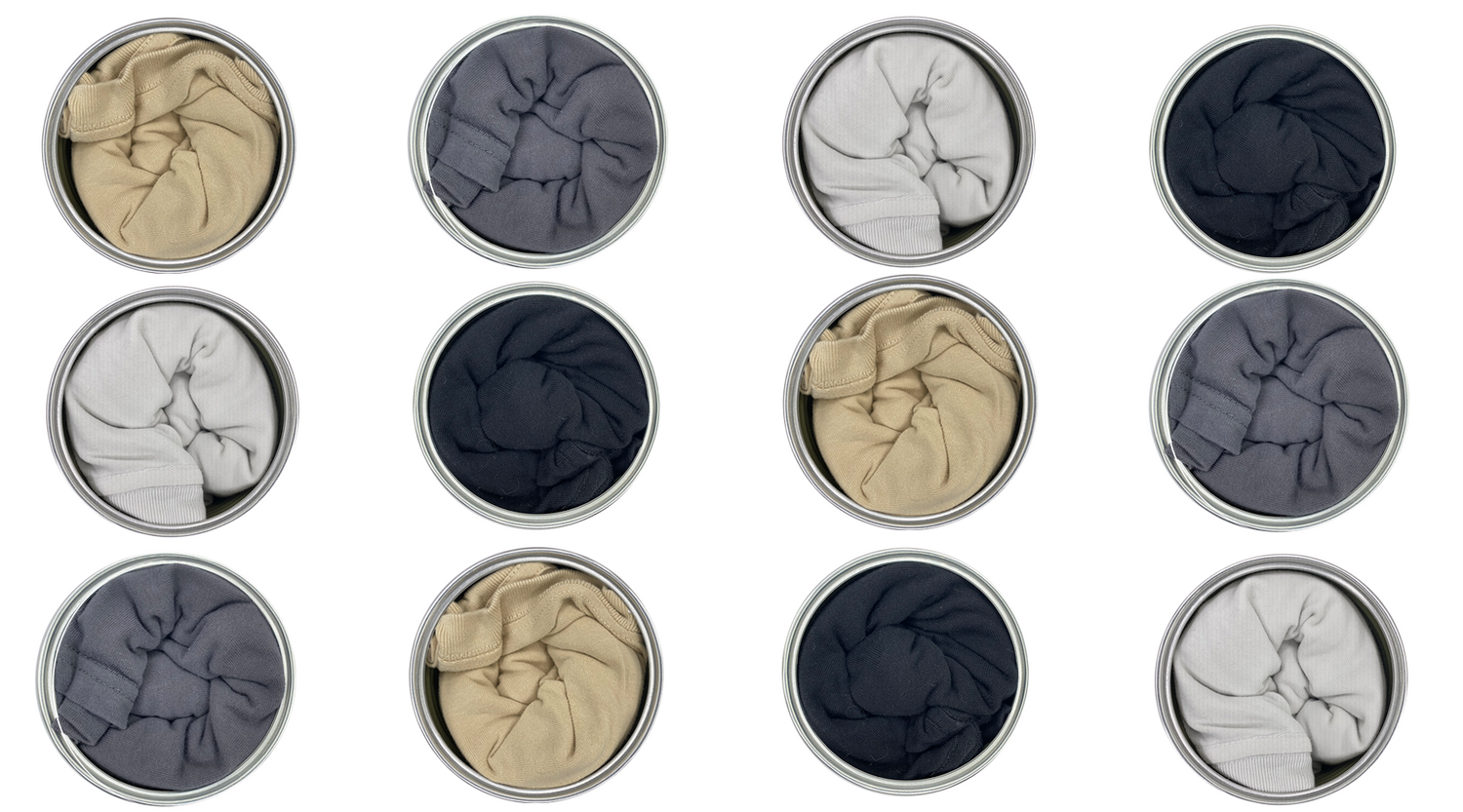
Ours is a shirt sealed inside a printed aluminium can. Each resort gets artwork nobody else has, the can survives the flight home in hand luggage, and it ends up on a shelf instead of in a drawer. Across Instagram and TikTok the videos of people opening them have passed 100 million views, which is roughly the reach a resort would pay a lot for.
Summer, which most mountain shops waste
A lot of resorts run summer operations now: bike parks, hiking, gondola rides, weddings. And a lot of them run summer retail by selling off winter stock at a discount.
That's a mistake with a real cost. Summer visitors are often a completely different crowd from winter guests, frequently people who've never skied the place, and they're discovering the mountain for the first time. Selling them clearance beanies tells them the resort is a winter business that tolerates them.
A small summer range designed for summer, even a couple of items, treats them as guests worth designing for. It also means the shop has something new twice a year instead of once, which gives your regulars a reason to look again.
What I'd plan for next season
Split the buy into three and stop treating it as one pile.
A volume layer of beanies, stickers and pins. Reliable, cheap, never out of stock on a powder day.
A wearable layer of apparel designed to look good away from the mountain. Fewer designs, better ones, smaller marks.
A scarce layer, one or two things that only exist at your resort and only this season. This is what gets first-day purchases and gives pass holders a reason to collect.
Most resorts nail the first, overbuy the second in the wrong style, and skip the third entirely.
Kids, which resorts underplan
A big share of resort visitors are families, and kids drive a surprising amount of retail, because a parent with a tired child at 3pm will buy almost anything that ends the negotiation.
The usual response is a rack of plush and cheap toys, which works but builds nothing. The better version is a kids' size of whatever the adults are buying. A child in a matching resort beanie is a photo, and photos of kids get shared by grandparents to people who've never heard of your mountain.
Small detail, easy to add, and most resorts skip it.
One question to ask your staff
Ask the people working the lodge shop what guests say when they put something back.
You'll hear the same few things. Too expensive for what it is. Don't need another hoodie. Can't fit it in the bag. Each one points at a different fix, and none of them show up in your sales data, because a sale that didn't happen leaves no record.
The honest limit
None of this fixes a bad snow year. Retail tracks visits, and visits track weather, and there's nothing clever enough on a rack to change that.
What it does is raise how much each guest spends and how long what they bought keeps working for you after they leave. That's the part you control.
If you want to see how a resort can works, the custom cans page covers it, what a shirt in a can actually is explains the format, and what makes a souvenir collectible goes deeper on the season-set idea.