
Sedona souvenirs worth carrying home, and what to leave on the shelf
My grandpa lives in West Sedona, next to Bashas, so I've spent more time than most people wandering Uptown watching tourists decide what to take home.
Here's what I've noticed. Most Sedona souvenirs are bought in a hurry on the last afternoon, by someone who's sunburned and a bit dazed from the rocks, and most of them end up in a drawer. A few don't. This is about the few.
First, where to actually look
Sedona shopping splits into three places, and they're genuinely different.
Uptown is the main strip along 89A, and it's where most visitors end up. It's dense, walkable, and mixed: some excellent shops next to a lot of red rock magnets and t-shirts that say "Sedona" in a font from 1994. Worth your time, but walk slowly and be picky.
Tlaquepaque is the arts and crafts village near the creek, built to look like a Mexican village, with courtyards and fountains and a slower pace. It skews toward galleries and artisan work. It's where you go if you want something made by a person rather than a factory.
West Sedona is where the locals actually live and shop. Less souvenir, more real town. If you want to see what Sedona's like when nobody's selling you anything, spend an hour here.
Things worth buying
Real turquoise and Native American jewelry
Sedona is genuinely good for this, and it's the souvenir with the longest life. A good piece gets worn for decades.
The catch is that quality varies enormously, and some of what's sold as turquoise is dyed stone or plastic. Buy from shops that can tell you who made a piece and where the stone came from. If they can't, or get vague, that tells you what you need to know.
Work from local artists
Tlaquepaque is full of it: paintings, pottery, photography of the rocks at dawn. More expensive than anything in Uptown, and much more likely to still be on your wall in ten years.
Something consumable
Prickly pear everything. Candy, syrup, jelly, even margarita mix. It's genuinely local, it gets used up, and it makes a better gift than another object for someone's shelf. Local honey and coffee are good for the same reason.
Something that survives the trip home and actually gets used
This is the category that separates souvenirs you keep from ones you bin. A good hat. A decent water bottle. A mug you'll actually drink from.
A good hat
Sedona is sun, and a lot of it, even in winter. A properly made wide-brim hat bought here gets worn on every hot day for years, everywhere, and every time someone asks where you got it, you get to say Sedona.
The cheap ones blow off on the first windy trail. Spend a bit more and it's the souvenir you use most.
A map or a trail book
Sounds dull. Isn't. A good local trail map, marked up with where you actually went, is one of the few souvenirs that gets better with age. People frame them. It's also genuinely useful if you come back, which most people who visit Sedona eventually do.
Things to skip
Anything that says "Sedona" and nothing else. A generic shirt with the town name tells nobody anything and gets worn to paint a fence.
Crystals you don't understand. Sedona is famous for its vortexes and there's a huge crystal trade. If that's your thing, brilliant, go deep. If you're buying one because everyone else is, it'll sit in a drawer.
Big fragile things if you're flying. Pottery is gorgeous and it will break in your checked bag. Ship it or skip it.
The one I'm biased about
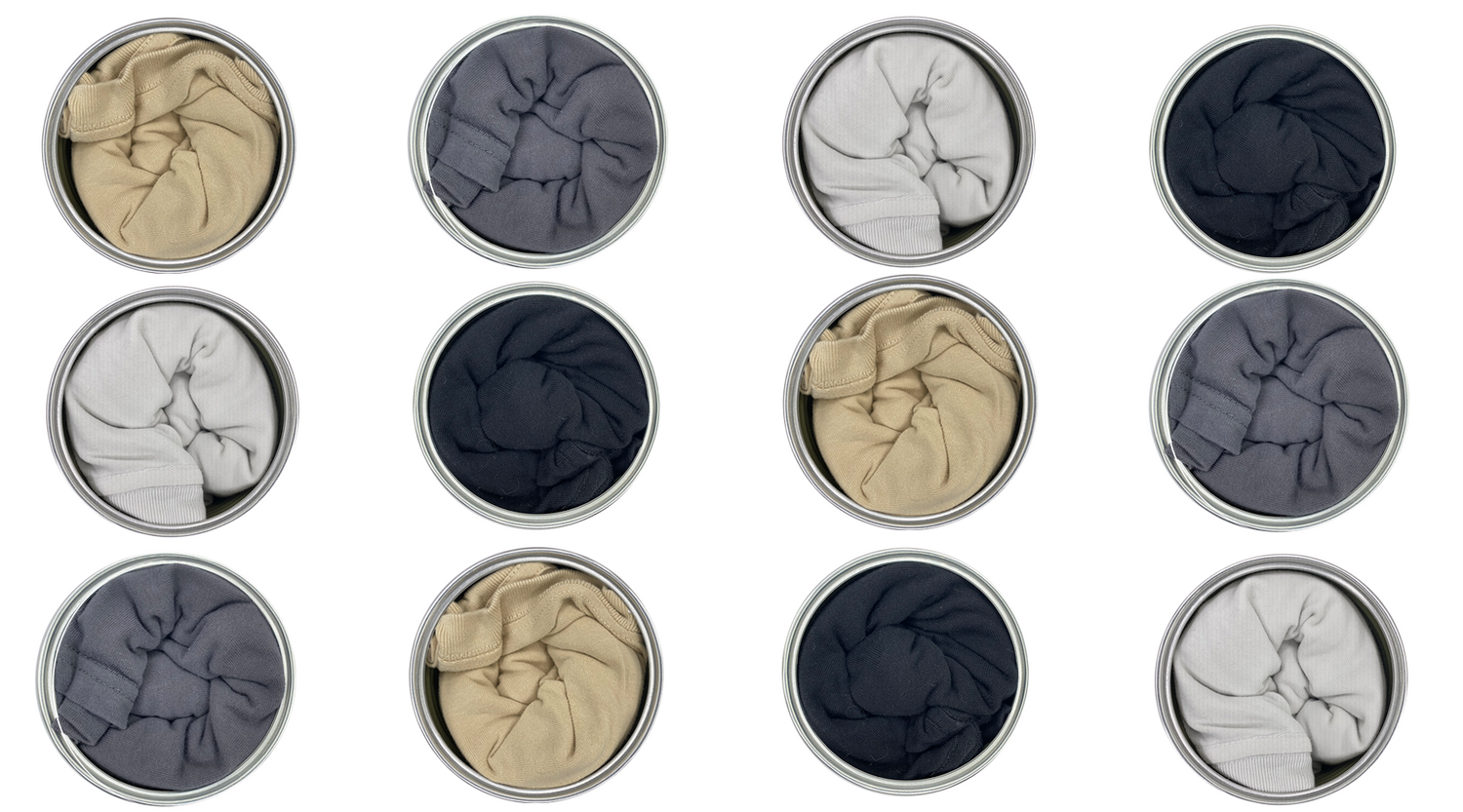
I should be upfront: I make shirts that come sealed in collectible aluminium cans, so take this section with the salt it deserves.
The reason it works as a Sedona souvenir is that each shop that carries them gets its own artwork, which means the can you get in one place exists nowhere else. It's small enough for a carry-on, you pop it open like a soda, and people tend to keep the can on a shelf afterward rather than throwing it out. There's a sheet of seed paper inside too, which a lot of people plant in the empty can.
Sedona Golf Resort carries them, if you're out that way.
A note on the vortex stuff
Sedona has a whole spiritual economy around its vortexes: crystals, readings, sound baths, energy tours. Visitors either love it or roll their eyes, and there's rarely anyone in between.
My only advice is to be honest with yourself about which you are before you buy. If it genuinely means something to you, Sedona is one of the best places in the country for it, and a piece bought here carries real meaning. If you're buying because it seems like the thing to do, you'll get home and wonder why you own a pendulum.
Either way, it's worth an afternoon just to see it. Even skeptics tend to find the shops interesting.
How to shop Sedona without regretting it
Don't buy on day one. Look, note what you like, and buy later in the trip. You'll have seen more, and the thing you still want on day three is the thing you actually want.
Ask who made it. In a town this full of craft, it's a completely normal question, and the answer tells you whether you're holding art or a factory import.
Think about where it'll live. Before you buy, picture the specific spot at home it'll go. If you can't picture one, it's going in a drawer.
Budget for one good thing over five cheap ones. A single piece of real turquoise will outlast a bag of magnets by about forty years.
Buying for someone who didn't come
Half of all souvenir shopping is really gift shopping, and it's where most of the bad purchases happen, because you're guessing at someone else's taste while tired.
A few rules that help. Consumables are the safest gift there is, because they don't need to match anyone's decor and they don't linger if they miss. Something wearable is riskier because of sizing, so either know the size or pick something one-size. And anything with a story attached beats anything expensive, because "I found this at a tiny shop in Tlaquepaque" is a better gift than the object itself.
The worst gift is the generic one bought at the last minute at the airport. You've been somewhere with an enormous amount of genuine character. Bring back something that shows it.
When to go
Worth knowing that Sedona has two peaks, spring and fall, when the weather's perfect and the town is packed. Shops are busy, parking is miserable, and prices are what they are.
If you can visit in the shoulder season, the town is calmer and shopkeepers have time to actually talk to you, which in a place built on craft is half the value. The best conversations I've had in Sedona shops were on quiet weekday mornings.
And if you're driving in, go early. Parking in Uptown by mid-morning in peak season is genuinely difficult, and the whole experience is better when you're not circling.
What locals actually buy
Worth knowing, since it's a good signal for what's real. People who live in Sedona buy their groceries at the same places everyone does, eat at the spots up in West Sedona, and mostly don't buy souvenirs at all, obviously.
But when locals buy gifts to send to family elsewhere, they reach for the same few things: local honey, prickly pear sweets, and work from artists they know by name. That's about the best filter there is. If the people who live somewhere buy it to represent the place, it probably does.
One last thing
The best Sedona souvenir might not be something you buy. Plenty of people swear by a photo from Cathedral Rock or Bell Rock at sunrise, which costs nothing and lasts forever.
But if you're buying, buy something with a story you can tell. That's what separates the souvenirs people keep from the ones that end up at a yard sale.
If you're curious how the cans work, what a shirt in a can actually is explains the format, and what to do with the can after you open it covers the seed paper. And if you run a Sedona shop and want your own, that's the custom cans page.