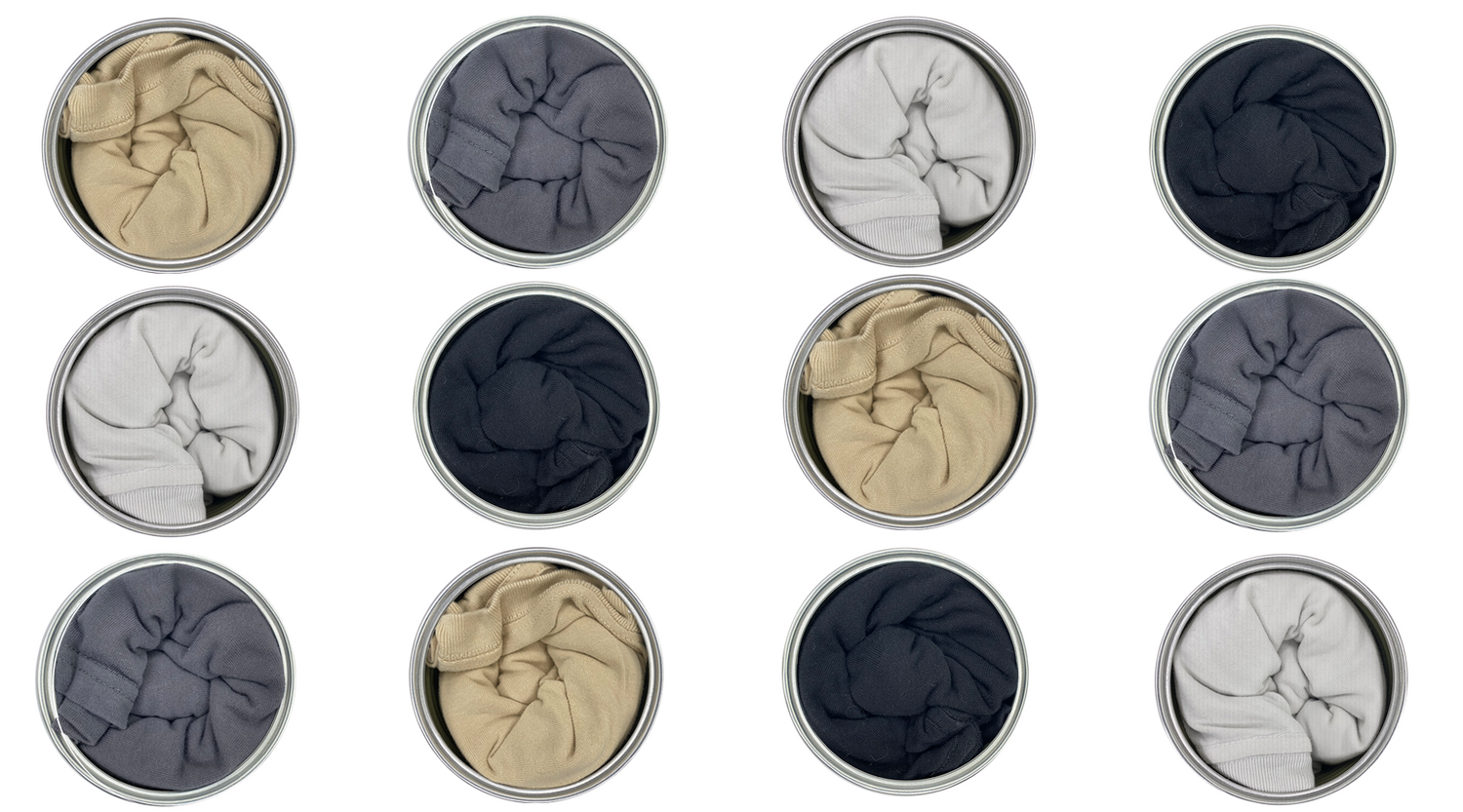

The best selling souvenirs, and the four things they have in common
Walk into eleven shops in the same tourist town and you will see the same eleven products. Magnets, keychains, postcards, shot glasses, a rack of screen printed tees. The list of best selling souvenirs is not a secret and never has been. Everybody already stocks it.
Which raises the more useful question. If every shop carries the same things, why does one shop clear its stock and the one next door mark it down in October?
The four traits, in order of how much they matter
After enough seasons the pattern is consistent. The souvenirs that move share four properties, and they matter in this order.
1. It survives the trip home. This is the hard constraint and it eliminates more stock than anything else. A visitor is doing volume arithmetic on everything they touch. Anything heavy, fragile, or awkwardly shaped loses to anything flat and light, regardless of which is nicer. This is why postcards outlive every design trend and why beautiful ceramics sit.
2. It is obviously from here. A mug is a mug. A mug with the name of the town is a record of a trip. Those are different products in the buyer's head, and only the second one is a souvenir. The moment an item could have been bought anywhere, it is competing on price with everywhere.
3. It costs less than thinking about it. Under a certain price, buying is faster than deliberating. Above it, the visitor starts comparing against dinner. Where that line sits varies by town, but every shop owner knows their number, and stock priced just above it moves noticeably worse than stock priced just below.
4. It does something when you open it or use it. This is the newest of the four and the one most lists still miss. An object with a moment attached gets photographed, and a photographed souvenir advertises the shop to people who were never in it.
Most standard stock satisfies the first three and fails the fourth. That is the whole opportunity.
What actually sells, ranked honestly
Stickers. The most reliable item in the category. Cheap, weightless, endlessly variable, and perfect at the counter. They will always sell and they will never be the reason someone remembers your shop.
Apparel. The biggest ticket most gift shops carry and the most often mishandled. A printed tee on a rack is invisible: the visitor has seen ten thousand of them and their eyes slide off. Apparel works when the design is genuinely local rather than the town name in a generic font, or when the packaging makes it an object instead of a garment.
Drinkware. Strong margins and real utility, undone by weight. Excellent for locals and anyone driving home. Difficult for anyone flying.
Magnets and keychains. The floor of the category. Stock them, expect nothing from them.
Local consumables. Honey, coffee, sweets, hot sauce. Underrated, because they get eaten and rebought, and returning visitors ask for them by name. Constrained by shelf life and supplier reliability.
Art and prints from local makers. Higher ticket, slower turn, and disproportionately good for how the shop is perceived. Worth carrying even when the numbers are mediocre.
One thing nobody else has. Not a category. A slot in the shop that should never sit empty, and the only entry on this list that changes anything.
Why the last one is the only one that matters
Everything above it is undifferentiated. It sells, it should be there, and it makes your shop indistinguishable from the one across the street.
A visitor comparing two shops with identical stock picks on location and convenience. You cannot win that on merit. The only lever that works is carrying something that cannot be bought forty feet away.
That is also the item people describe when they tell someone else about your store. Nobody has ever recommended a shop for its magnet selection.
Timing, which decides more than the product does
Two shops can stock the same item and get opposite results because one bought it in March and the other in July.
Buy for the shoulder season, judge in the shoulder season. Peak hides everything. In a tourist town in August, mediocre stock sells because there is nobody else to buy from and the visitor has fifteen minutes. The same item in May tells you whether people actually want it. Anything that moves when the town is quiet is genuinely wanted; anything that only moves at peak was bought because it was there.
Order late enough to see the trend, early enough to get stock. Most suppliers need lead time measured in weeks, which means the decision happens before you have this season's data. The practical compromise is to commit a base order early and hold budget back for a mid-season reorder on whatever is actually clearing.
Watch what gets picked up and put down. Your staff see this and the till never will. An item handled ten times a day that never sells is not a bad product, it is a pricing or placement problem, and those are cheap to fix.
Pricing the odd one out
A shop that finally stocks something unique usually then prices it like everything else, which wastes the advantage.
The commodity stock sets a mental anchor: magnets at five, tees at twenty-five. An item nobody else carries is not competing in that comparison, because there is nothing to compare it to. It can carry a higher price without resistance, and pricing it at parity signals it is the same kind of thing.
The mistake in the other direction is worse. Price a genuinely distinctive item below the rack around it and customers read it as clearance.
A test before you place the order
Four questions. Anything that passes all four earns real shelf space rather than a corner of the counter.
- Will this fit in a bag that is already full?
- Could they buy the same thing next door?
- Can someone say yes to this in under five seconds?
- Would anyone film themselves opening it?
Most stock passes one and three, fails two, and never gets asked four.
The three mistakes that cost the most
Buying what you like. The single most common error, and the hardest to see in yourself. Your taste is calibrated by living there. The buyer is calibrated by having arrived on Tuesday. Those are different people and the visitor is the one with the wallet.
Spreading thin instead of going deep. Twelve variants of one thing, two of each, looks like choice and reads as clutter. Three variants faced properly outsell twelve crammed, because the customer can actually see them and because sparse stock signals leftovers.
Never killing anything. Every shop carries something that has not moved in two years, kept because it was paid for. That inventory is not an asset, it is rent on shelf space charged against your best sellers. Mark it down, clear it, use the space.
Where the can fits
Ours is a shirt folded into a printed aluminium can with a pull tab, and each stockist gets artwork nobody else has. That is the fourth trait made literal: opening it is an event, the can survives on a shelf at home, and the design exists in exactly one shop.
Jacks Surfboards carries them across more than five retail locations. The videos of people opening them have passed 100 million views across Instagram and TikTok, with one reel reaching 8.3 million on its own, which is the kind of reach no magnet display has ever generated for anybody.
More on the format in what a shirt in a can actually is, how it sits in a wider mix in best selling gift shop items, and the custom process on the custom cans page.
What to do on Monday
Three things, in order, none of which need a budget.
Audit against the shop next door. Walk in, note every item you both carry. Whatever appears in both is commodity stock. Price it accordingly and stop defending it. This takes twenty minutes and usually explains why margin feels tight.
Fix the counter. It is the only surface every customer sees, including the ones who came in for directions. Small, cheap, touchable. Anything currently there that fails that description is occupying the best space you have.
Fill the exclusive slot. One item, real facing, something nobody within a mile can sell. If you cannot name what yours is, that is the finding.
The short version
The best selling souvenirs are light, obviously local, priced below the thinking threshold, and increasingly they do something when opened. Stock the reliable categories because they pay the rent. Then fill one slot with something nobody within a mile can sell, because that is the only stock that makes the shop worth choosing.